
I’ve spent a lot of time wrestling with a simple question:
What kind of book is Markus Kane: Dawn of Shadows?
When I first talked to my publisher and editor, we went in circles. Is it Low fantasy? Epic fantasy? Sci-fi? Cyberpunk? Literary fantasy? Up-market? Technomancy? Science Fantasy?
Some of these labels I knew. Others were compelling and new but still didn’t feel right. Is it because the book isn’t completely any of them?
It has neon-lit streets, pulse pistols, antigrav aergildes, and Guild-engineered tech that feels like cyberpunk or hard sci-fi. Perhaps something closer to Blade Runner at times.
Yet, it also has ancient powers, a black scar on my protagonists that pulses with something older than technology, a luna wolf that bonds in a way no animal should, prophetic dreams, and a world still healing from a past cataclysm that blurred the line between magic and machine.
So it sits somewhere in the middle. A science fantasy hybrid. And right now, in 2026 that’s a tough place to exist.
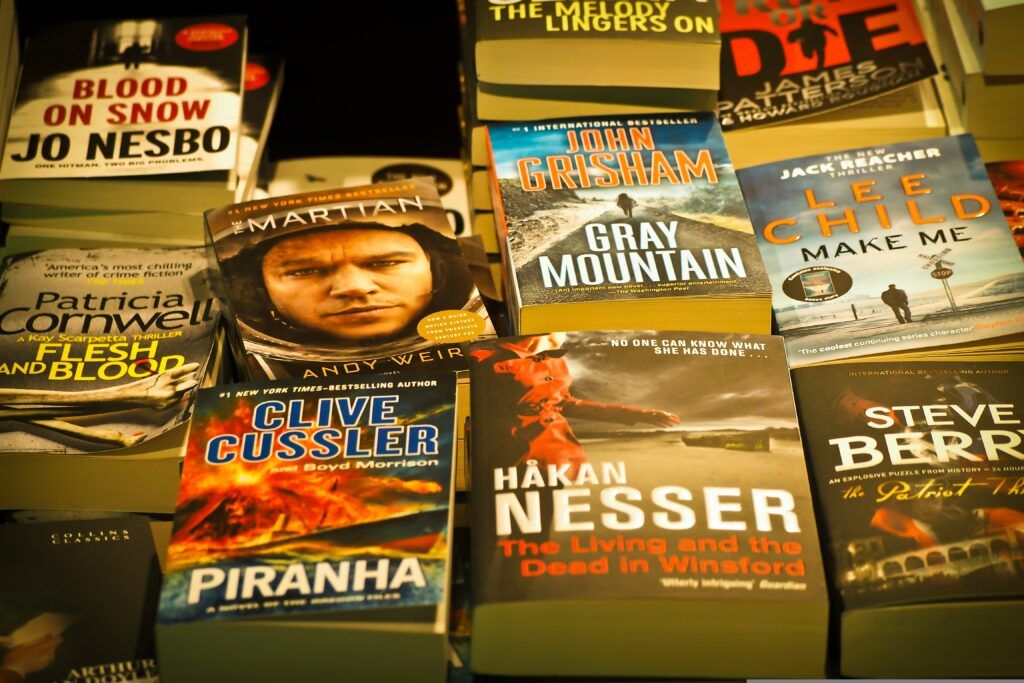
Even before I sat down to write, I’d roam through bookstores—both the Fantasy and Science Fiction sections. I could never figure out exactly where it belongs.
Amazon’s algorithm doesn’t know who to show it to either.
Readers who are looking for straight epic fantasy might bounce off the skyscrapers and crystal-powered tech. On the other hand, readers hunting for hard sci-fi or cyberpunk might bounce off the mysticism, the scar and other elements.
The result?
Silence. Invisibility.
Hardly anyone knows this book exists. The ARC campaign sits at 2 views and 171 impressions with zero reviews.
So why is this “Okay… I suppose”?
Because at the end of the day, some of the books that end up mattering the most are the ones that don’t stay in their lane.
Tolkien didn’t write clean high fantasy. He actually wrote a mythic history of a secondary world with deep linguistic roots. In reality, it took years for him to find this audience. And it didn’t hurt that it happened during the paperback revolution of the 1960s.
Likewise, Dune was ecology, politics, messianic mythology, and desert survival—not a pure space opera. I confused publishers at first.
A lot of “weird” or cross-genre books that readers still talk about decades later started as awkward fits at first.
It appears that my book lives in that same uncomfortable space: a world where thousands of years of technological progress never fully killed the older powers from the First Age, where my protagonist, a street-level watchman with a hideous scar has to navigate both Guild bureaucracy and ancient horrors and mysticism.
It’s not exactly ‘trendy’ when you first hear it. It’s not romantasy or grim dark fantasy. And it’s the furthest thing from cozy fantasy. It doesn’t have any of those easy hooks that are dominating bestseller lists and algorithms right now.
And that makes it harder to sell today.
Yet, in some way, it also means that if – or when—the right readers find it, they feel it more deeply because it wasn’t made to fit a formula.
The Counterintuitive Part
I suppose that ‘not fitting into a clean box’ makes it positive in one way: the story is allowed to breathe on its own terms. These specific elements—Markus’s scar, Xara’s necklace, the wolves, the lumidawn flowers—they come from a specific vision that didn’t start with “what’s trending right now?”
It sucks right now. It’s painfully obvious that there’s no audience in the bookstores. No clear TikTok or BookTok trend I could latch onto. No easy elevator pitch that’d make someone say “Oh, it’s like X meets Y”.
Yeah, right now, there’s no comfortable place for this book on any shelves or algorithm. I got to accept that.
But I still believe the middle ground matters. Some readers are tired of pure tropes. Some want tech and myth, grit and ancient resonance, survival and quiet transformation.
They might be out there, somewhere. They might just take longer to find the book—or the book might take longer to reach them.
In the meantime, I’ll still be persevering and writing the next one in the trilogy. Because this story keeps insisting on being told, even if the market hasn’t caught up with it.
If any of this resonates with you, if these ideas of blending neon and ancient shadow, scarred heroes who chose their paths, or worlds where technology and forgotten powers collide— Markus Kane: Dawn of Shadows might be your kind of strange.